
Likkutei Amarim - Chapter 7: Difference between revisions
Hebrew Tanya chart (עץ תניא) → new {{Tanya Tree/Likkutei Amarim …}} chart in a collapsed navbox |
Language and style edit: natural English only, no change to facts |
||
| (3 intermediate revisions by the same user not shown) | |||
| Line 1: | Line 1: | ||
{{Short description|Chapter 7 of Likkutei Amarim, the first part of the Tanya}} | |||
{{Tanya Chapters}} | {{Tanya Chapters}} | ||
'''Chapter 7 - The Garments of the Animal Soul''' | '''Chapter 7 - The Garments of the Animal Soul''' | ||
==Introduction== | ==Introduction== | ||
This is the second of three chapters | This is the second of three chapters on the details of the animal soul. The previous chapter explained its essence; this one explains the essence of its garments. | ||
==Text== | ==Text== | ||
{{Tanya Text|title=Chapter 7 – Original Text}} | |||
==Summary== | ==Summary== | ||
The animal soul does not oppose holiness; its | The animal soul does not oppose holiness; its only concern is to give life to the body. As long as holiness does not "disturb" the body, it does not oppose it. It can therefore clothe itself in holy garments and through them ascend to holiness itself. | ||
However, '''every''' thought, | However, '''every''' thought, word and deed that is not holy (even if it is '''entirely permitted''') brings a person down to the three impure kelipos, and here too there are two modes: | ||
A. For thought, speech and action that are '''permitted - teshuvah is effective''' (so that they can return and ascend to holiness). | A. For thought, speech and action that are '''permitted - teshuvah is effective''' (so that they can return and ascend to holiness). | ||
B. For thought, speech and action that are '''forbidden - teshuvah is not effective''' (to elevate them to holiness. Teshuvah is effective only so that '''the person''' is forgiven, but not to elevate the forbidden thing)<ref>Teshuvah out of | B. For thought, speech and action that are '''forbidden - teshuvah is not effective''' (to elevate them to holiness. [[Teshuvah]] is effective only so that '''the person''' is forgiven, but not to elevate the forbidden thing)<ref>Teshuvah out of very great love is indeed effective. If the teshuvah comes not from such love but from a lower love, it is effective only so that the person is forgiven.</ref>. | ||
The chapter ends with one exception (and the reason for it). | |||
== Facsimile of the Tanya Printing == | == Facsimile of the Tanya Printing == | ||
| Line 27: | Line 29: | ||
==Fundamental Concepts== | ==Fundamental Concepts== | ||
* [[Animal Soul]] | * [[Animal Soul]] | ||
==Further Reading== | ==Further Reading== | ||
*Rabbi [[Yosef Weinberg]], [https://he.chabad.org/library/article_cdo/aid/535569 Integrated commentary on Chapter 7], from the book [[Shiurim in Sefer HaTanya]] | *Rabbi [[Yosef Weinberg]], [https://he.chabad.org/library/article_cdo/aid/535569 Integrated commentary on Chapter 7], from the book ''[[Shiurim in Sefer HaTanya]]'' | ||
*Rabbi [[Chaim Levi Yitzchak Ginsburg]], | *Rabbi [[Chaim Levi Yitzchak Ginsburg]], [https://abc770.org/article_node_2860/ Kelipas Nogah], Abc770.org (Hebrew) | ||
== External Links == | |||
*Explanation of Chapter 7 of the Tanya for children: [https://chabadkidsvideos.com/w/Tanya_Perek_07_Part1 Part 1], [https://chabadkidsvideos.com/w/Tanya_Perek_07_Part2 Part 2], on the [[Chabad Kids Videos]] website {{Video}} | |||
{{Navbox | {{Navbox | ||
| Line 41: | Line 43: | ||
|list1={{Tanya Tree/Likkutei Amarim 1-12}} | |list1={{Tanya Tree/Likkutei Amarim 1-12}} | ||
}} | }} | ||
{{Succession|before=[[Likkutei Amarim - Chapter 6]]|list=Chapters of Likkutei Amarim|after=[[Likkutei Amarim - Chapter 8]]}} | |||
== References == | == References == | ||
Latest revision as of 04:41, 23 November 2026
| Tanya |
|---|
| Title Page and Introduction |
| Title Page · Haskamah 1 · Haskamah 2 · Haskamah 3 · Hakdamas HaMelaket |
| Likkutei Amarim |
| 1 · 2 · 3 · 4 · 5 · 6 · 7 · 8 · 9 · 10 · 11 · 12 · 13 · 14 · 15 · 16 · 17 · 18 · 19 · 20 · 21 · 22 · 23 · 24 · 25 · 26 · 27 · 28 · 29 · 30 · 31 · 32 · 33 · 34 · 35 · 36 · 37 · 38 · 39 · 40 · 41 · 42 · 43 · 44 · 45 · 46 · 47 · 48 · 49 · 50 · 51 · 52 · 53 |
| Shaar HaYichud VehaEmunah |
| Chinuch Katan · 1 · 2 · 3 · 4 · 5 · 6 · 7 · 8 · 9 · 10 · 11 · 12 |
| Igeres HaTeshuvah |
| 1 · 2 · 3 · 4 · 5 · 6 · 7 · 8 · 9 · 10 · 11 · 12 |
| Igeres HaKodesh |
| 1 · 2 · 3 · 4 · 5 · 6 · 7 · 8 · 9 · 10 · 11 · 12 · 13 · 14 · 15 · 16 · 17 · 18 · 19 · 20 · 21 · 22 · 23 · 24 · 25 · 26 · 27 · 28 · 29 · 30 · 31 · 32 |
| Kuntres Acharon |
| 1 · 2 · 3 · 4 · 5 · 6 · 7 · 8 · 9 |
Chapter 7 - The Garments of the Animal Soul
Introduction[edit | edit source]
This is the second of three chapters on the details of the animal soul. The previous chapter explained its essence; this one explains the essence of its garments.
Text[edit | edit source]
| Chapter 7 – Original Text |
|---|
פרק ז אך נפש החיונית הבהמית שבישראל שמצד הקליפה המלובשת בדם האדם כנזכר לעיל ונפשות בהמות וחיות ועופות ודגים טהורים ומותרים באכילה וקיום וחיות כל הדומם וכל הצומח המותר באכילה וכן קיום וחיות כל המעשה דבור ומחשבה בענייני עולם הזה שאין בהם צד איסור לא שרש ולא ענף משס"ה מצות לא תעשה וענפיהן דאורייתא ודרבנן רק שאינן לשם שמים אלא רצון הגוף וחפצו ותאותו ואפילו הוא צורך הגוף וקיומו וחיותו ממש אלא שכוונתו אינה לשם שמים כדי לעבוד את ה' בגופו לא עדיפי מעשה דבור ומחשבות אלו מנפש החיונית הבהמית בעצמה והכל כאשר לכל נשפע ונמשך ממדרגה השנית שבקליפות וסטרא אחרא שהיא קליפה רביעית הנקראת קליפת נוגה שבעולם הזה הנקרא עולם העשיה רובו ככולו רע רק מעט טוב מעורב בתוכה [שממנה באות מדות טובות שבנפש הבהמית שבישראל כמו שכתוב לעיל] והיא בחינה ממוצעת בין שלש קליפות הטמאות לגמרי ובין בחינת ומדרגת הקדושה ולכן פעמים שהיא נכללת בשלש קליפות הטמאות [כמו שכתוב בעץ חיים שער מ"ט ריש פ"ד בשם הזהר] ופעמים שהיא נכללת ועולה בבחינת ומדרגת הקדושה דהיינו כשהטוב המעורב בה נתברר מהרע וגובר ועולה ונכלל בקדושה כגון דרך משל האוכל בשרא שמינא דתורא ושותה יין מבושם להרחיב דעתו לה' ולתורתו כדאמר רבא חמרא וריחא כו' או בשביל כדי לקיים מצות ענג שבת ויום טוב אזי נתברר חיות הבשר והיין שהיה נשפע מקליפת נוגה ועולה לה' כעולה וכקרבן. וכן האומר מילתא דבדיחותא לפקח דעתו ולשמח לבו לה' ולתורתו ועבודתו שצריכים להיות בשמחה וכמו שעשה רבא לתלמידיו שאמר לפניהם מילתא דבדיחותא תחלה ובדחי רבנן. אך מי שהוא בזוללי בשר וסובאי יין למלאת תאות גופו ונפשו הבהמית שהוא בחינת יסוד המים מארבע יסודות הרעים שבה שממנו מדת התאוה הנה על ידי זה יורד חיות הבשר והיין שבקרבו ונכלל לפי שעה ברע גמור שבשלש קליפות הטמאות וגופו נעשה להן לבוש ומרכבה לפי שעה עד אשר ישוב האדם ויחזור לעבודת ה' ולתורתו כי לפי שהיה בשר היתר ויין כשר לכך יכולים לחזור ולעלות עמו בשובו לעבודת ה' שזהו לשון היתר ומותר כלומר שאינו קשור ואסור בידי החיצונים שלא יוכל לחזור ולעלות לה' רק שהרשימו ממנו נשאר בגוף ועל כן צריך הגוף לחיבוט הקבר כמו שיתבאר לקמן מה שאין כן במאכלות אסורות וביאות אסורות שהן משלש קליפות הטמאות לגמרי הם אסורים וקשורים בידי החיצונים לעולם ואין עולים משם עד כי יבא יומם ויבולע המות לנצח כמו שנאמר "ואת רוח הטומאה אעביר מן הארץ" או עד שיעשה תשובה גדולה כל כך שזדונות נעשו לו כזכיות ממש שהיא תשובה מאהבה מעומקא דלבא באהבה רבה וחשיקה ונפש שוקקה לדבקה בו יתברך וצמאה נפשו לה' כארץ עיפה וציה להיות כי עד הנה היתה נפשו בארץ ציה וצלמות היא הסטרא אחרא ורחוקה מאור פני ה' בתכלית ולזאת צמאה נפשו ביתר עז מצמאון נפשות הצדיקים כמאמרם ז"ל במקום שבעלי תשובה עומדים כו' ועל תשובה מאהבה רבה זו אמרו שזדונות נעשו לו כזכיות הואיל ועל ידי זה בא לאהבה רבה זו אבל תשובה שלא מאהבה זו אף שהיא תשובה נכונה וה' יסלח לו מכל מקום לא נעשו לו כזכיות ואין עולים מהקליפה לגמרי עד עת קץ שיבולע המות לנצח. אך החיות שבטפות זרע שיצאו ממנו לבטלה אף שירדה ונכללה בשלש קליפות הטמאות הרי זו עולה משם בתשובה נכונה ובכוונה עצומה בקריאת שמע שעל המטה כנודע מהאר"י ז"ל ומרומז בגמרא כל הקורא קריאת שמע על מטתו כאלו אוחז חרב של שתי פיות כו' להרוג גופות החיצונים שנעשו לבוש לחיות שבטפות ועולה החיות מהם כידוע ליודעי חן. ולכן לא הוזכר עון זרע לבטלה בתורה בכלל ביאות אסורות אף שחמור מהן וגדול עונו בבחינת הגדלות ורבוי הטומאה והקליפות שמוליד ומרבה במאד מאד בהוצאת זרע לבטלה יותר מביאות אסורות רק שבביאות אסורות מוסיף כח וחיות בקליפה טמאה ביותר עד שאינו יכול להעלות משם החיות בתשובה*: *(מפני שנקלטה ביסוד דנוקבא דקליפה המקבלת וקולטת החיות מהקדושה מה שאין כן בזרע לבטלה שאין שם בחינת נוקבא דקליפה רק שכחותיה וחיילותיה מלבישים לחיות שבטפות כידוע ליודעי חן)אלא אם כן יעשה תשובה מאהבה רבה כל כך עד שזדונות נעשו לו כזכיות ובזה יובן מאמר רבותינו זכרונם לברכה איזהו מעוות שלא יוכל לתקון זה שבא על הערוה והוליד ממזר שאז גם אם יעשה תשובה גדולה כל כך אי אפשר לו להעלות החיות לקדושה מאחר שכבר ירדה לעולם הזה ונתלבשה בגוף בשר ודם: |
Summary[edit | edit source]
The animal soul does not oppose holiness; its only concern is to give life to the body. As long as holiness does not "disturb" the body, it does not oppose it. It can therefore clothe itself in holy garments and through them ascend to holiness itself.
However, every thought, word and deed that is not holy (even if it is entirely permitted) brings a person down to the three impure kelipos, and here too there are two modes:
A. For thought, speech and action that are permitted - teshuvah is effective (so that they can return and ascend to holiness).
B. For thought, speech and action that are forbidden - teshuvah is not effective (to elevate them to holiness. Teshuvah is effective only so that the person is forgiven, but not to elevate the forbidden thing)[1].
The chapter ends with one exception (and the reason for it).
Facsimile of the Tanya Printing[edit | edit source]
-
 Page 1
-
 Page 2
-
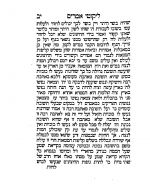 Page 3
-
 Page 4


Fundamental Concepts[edit | edit source]
Further Reading[edit | edit source]
- Rabbi Yosef Weinberg, Integrated commentary on Chapter 7, from the book Shiurim in Sefer HaTanya
- Rabbi Chaim Levi Yitzchak Ginsburg, Kelipas Nogah, Abc770.org (Hebrew)
External Links[edit | edit source]
- Explanation of Chapter 7 of the Tanya for children: Part 1, Part 2, on the Chabad Kids Videos website (video)
References[edit | edit source]
- ↑ Teshuvah out of very great love is indeed effective. If the teshuvah comes not from such love but from a lower love, it is effective only so that the person is forgiven.